

Fatigue Management for Shiftworkers
Fatigue is a common experience for many shiftworkers and involves feelings of physical, mental, and emotional exhaustion. Up to 90% of shiftworkers report feeling fatigued and sleepy while they’re at work. When you’re fatigued, it can be harder to concentrate, be productive and work efficiently, increasing the risk of errors, accidents and injuries.
How to Limit Fatigue
There are strategies you can use to reduce how fatigued you become:
Aim for 7–9 hours of quality sleep per 24 hours.
Rest and recover between shifts and on days off, particularly if you work a physically demanding job.
Review your roster to see if it aligns with best-practice rostering principles.
Eat a nutritious diet that meets your nutrient requirements.
How to Manage Fatigue
If fatigue develops, strategies that can help include:
Caffeine: Use caffeine before or during your shift, but be mindful of consuming caffeine too close to bedtime as it can keep you awake.
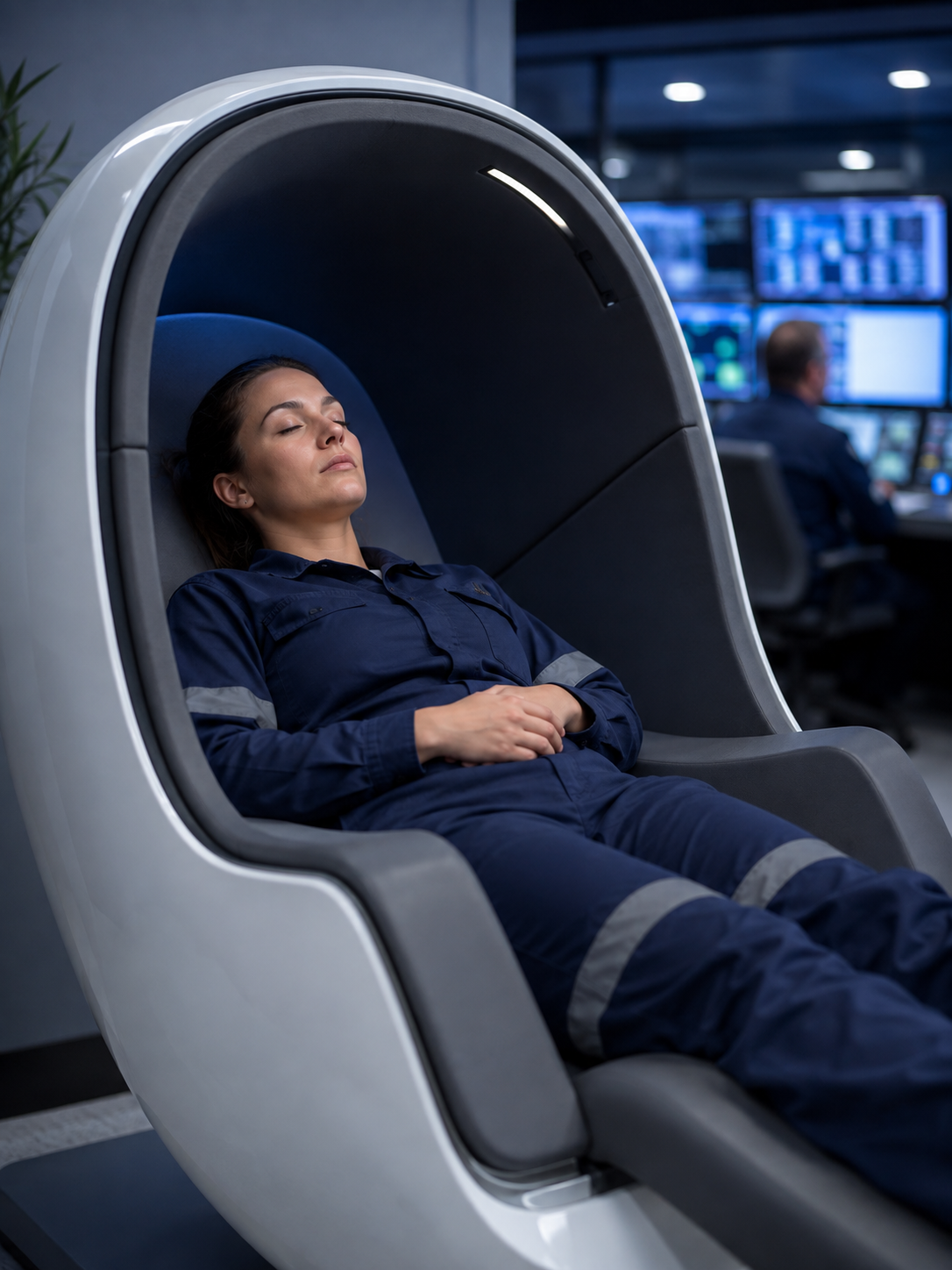
Napping: Use short naps of 10–20 minutes for an energy boost, or longer naps of 90 minutes or more to increase the amount of sleep you get each day.
Physical activity: Brief bursts of physical activity can help you feel less fatigued, particularly if you work in a sedentary or desk-based job.
Bright light: Exposure to bright light can help your brain recognise that it’s time to be awake and active. Be mindful of bright light too close to bedtime as it can make falling asleep more difficult.
Fatigue Management at Work
Organisations that employ shiftworkers have a duty of care to identify and manage fatigue in the workplace.
Speak to your manager or workplace health and safety representative about fatigue management in your workplace, including rostering approaches and fatigue detection tools and technology.
While there are strategies you can use to limit or manage fatigue, many provide only temporary boosts in alertness and may not improve safety and productivity over longer periods of time.